Best Ways to Reduce Stress & Improve Mental Wellbeing
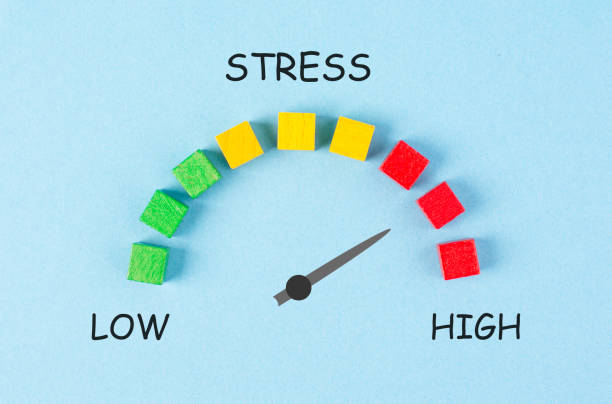
Stress is a natural response of the body to pressure, challenges, or demanding situations in daily life. It can affect thoughts, emotions, and overall physical wellbeing when unmanaged properly over time.
When stress becomes chronic, it disrupts hormonal balance and weakens immunity, making individuals more vulnerable to anxiety, fatigue, and mood disorders. Mental clarity and decision making also become negatively affected gradually.
Understanding stress triggers is essential for managing mental wellbeing effectively. Identifying causes such as work pressure, personal issues, or lifestyle imbalance helps create better coping strategies for healthier emotional stability.
Practicing Daily Mindfulness and Meditation
Mindfulness is the practice of staying fully present in the moment without judgment. It helps calm the mind, reduce anxiety, and improve emotional awareness for better mental control.
Meditation is a powerful tool that trains the brain to focus and relax. Regular practice reduces negative thinking patterns and enhances inner peace, supporting overall psychological balance and clarity daily.
Even a few minutes of deep breathing or guided meditation each day can significantly lower stress levels. It improves concentration, emotional strength, and helps manage overwhelming thoughts more effectively over time.
Importance of Physical Exercise for Stress Relief
Physical exercise is one of the most effective natural ways to reduce stress and improve mental wellbeing. It stimulates endorphins, which are hormones responsible for happiness and emotional relief.
Activities like walking, jogging, yoga, or cycling help release tension stored in the body. Regular movement improves blood circulation, boosts energy levels, and supports better mental focus throughout the day.
Exercise also helps regulate sleep patterns and reduces symptoms of anxiety and depression. A consistent fitness routine builds resilience, making it easier to handle daily emotional and mental challenges.
Balanced Diet for a Calm and Healthy Mind
A balanced diet plays a crucial role in maintaining mental wellbeing and reducing stress naturally. Nutrient rich foods support brain function and help regulate mood and emotional stability effectively.
Foods rich in omega-3 fatty acids, vitamins, and minerals improve cognitive performance and reduce inflammation. Fresh fruits, vegetables, and whole grains contribute to better mental clarity and emotional balance.
Avoiding excessive caffeine, sugar, and processed foods helps prevent mood swings and energy crashes. A healthy diet ensures stable energy levels, promoting a calmer and more focused mind throughout the day.
Quality Sleep and Its Role in Mental Wellbeing
Quality sleep is essential for mental recovery and emotional stability. During sleep, the brain processes emotions and repairs itself, which helps reduce stress and improve overall psychological health significantly.
Lack of sleep can lead to irritability, poor concentration, and increased anxiety levels. Establishing a consistent sleep schedule supports better mood regulation and enhances daily productivity and mental sharpness.
Creating a relaxing bedtime routine such as limiting screen time and maintaining a calm environment improves sleep quality. Proper rest strengthens resilience against stress and supports long term mental wellbeing.
Building Strong Social Connections and Support
Human connection is vital for emotional health and stress management. Strong relationships provide comfort, understanding, and emotional support during challenging times, reducing feelings of isolation and anxiety significantly.
Spending time with family and friends helps release emotional pressure and promotes positive thinking. Social interactions improve mood, increase happiness, and create a sense of belonging and security in life.
Healthy communication and trust in relationships strengthen mental resilience. Sharing thoughts and emotions with supportive people helps reduce stress and encourages a more balanced and stable emotional state overall.
Time Management and Reducing Daily Pressure
Effective time management reduces unnecessary stress and improves mental wellbeing. Organizing daily tasks helps create structure, allowing individuals to focus better and avoid feeling overwhelmed by responsibilities.
Prioritizing important tasks and setting realistic goals improves productivity and reduces mental pressure. Breaking large tasks into smaller steps makes them more manageable and less stressful to complete.
Using planners or schedules helps maintain balance between work and personal life. Proper time management increases efficiency, reduces anxiety, and supports a calmer and more controlled lifestyle overall.
Spending Time in Nature for Mental Relaxation
Spending time in nature has a powerful calming effect on the mind. Natural environments reduce stress levels, improve mood, and help restore mental energy through peaceful surroundings and fresh air.
Activities like walking in parks, hiking, or sitting outdoors promote relaxation and mindfulness. Nature exposure lowers cortisol levels, which helps reduce anxiety and supports emotional healing and mental clarity.
Regular interaction with natural spaces improves overall wellbeing and encourages positive thinking. It provides a break from digital overload and daily stress, helping the mind reset and recharge effectively.
Healthy Habits and Positive Thinking Patterns
Developing healthy habits is essential for long term mental wellbeing and stress reduction. Consistent routines create stability, improve discipline, and support a balanced and productive lifestyle every day.
Positive thinking helps reframe challenges and reduces negative emotional responses. Practicing gratitude and focusing on solutions instead of problems improves mental strength and overall emotional resilience significantly over time.
Combining healthy habits with optimism builds a strong foundation for mental health. It encourages self confidence, reduces stress reactions, and promotes a more peaceful and fulfilling life experience overall.

About Premium Author
This post has been authored and published by one of our premium contributors, who are experts in their fields. They bring high-quality, well-researched content that adds significant value to our platform.
You Might Also Like
Popular Categories
Stay Connected
Recent Posts









.png)