How Social Media Influencers Shape Fashion Trends Today
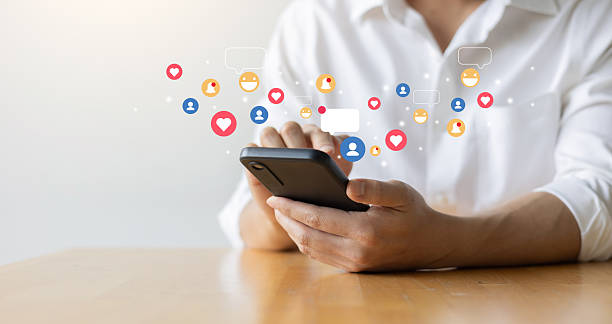
Social media influencers have changed how people perceive fashion and lifestyle choices globally, reshaping buying habits and communication patterns between brands and audiences in today's digital environment social media era.
Influencers act as modern trendsetters bridging the gap between brands and consumers by showcasing curated content that reflects personal style preferences and cultural relevance across multiple platforms online today globally.
Fashion influencers now shape global trends by sharing outfits, reviews, and lifestyle choices that inspire millions of followers to adopt new styles and purchasing behaviors daily across social platforms globally.
Digital influence has become powerful in shaping how consumers think about clothing brands, beauty standards, and lifestyle aspirations through constant exposure to influencer driven content online across social media platforms.
Rise of social media influencers
Social media influencers emerged with the rise of platforms like Instagram, YouTube, and TikTok, where individuals began building large audiences by sharing relatable lifestyle and fashion content online every day.
Early influencers started as bloggers and content creators who shared personal experiences, gradually evolving into powerful marketing figures collaborating with global fashion and lifestyle brands across digital platforms worldwide now.
Audience trust played a crucial role in influencer growth, as followers valued authenticity and real life experiences over traditional celebrity endorsements and advertisements on social media platforms across world today.
Brands quickly recognized influencer potential and began collaborating to reach younger audiences through targeted campaigns and sponsored content across multiple social networks improving brand visibility and engagement worldwide significantly today.
Fashion branding and influencer marketing
Influencer marketing has become a key strategy for fashion brands seeking to connect with digital audiences through authentic storytelling and visually appealing content online across global social media channels today.
Brands collaborate with influencers to showcase clothing collections, product launches, and seasonal campaigns, reaching targeted demographics more effectively than traditional advertising methods through trusted online personality driven recommendations now globally.
Sponsored posts and affiliate marketing have transformed influencer income streams, allowing creators to monetize their audience while promoting fashion and lifestyle products across multiple digital commerce platforms globally every day.
Visual branding has become essential in influencer marketing, as aesthetics and storytelling play a crucial role in engaging audiences and driving consumer interest in modern digital fashion ecosystems worldwide today..
Lifestyle changes driven by influencers
Influencers not only affect fashion choices but also lifestyle habits, including fitness routines, travel preferences, and daily consumption patterns among global audiences through constant social media inspiration content daily worldwide.
From wellness trends to home decor inspiration, influencers shape how audiences design their personal lives, often blending aesthetics with practical everyday lifestyle decisions across digital lifestyle communities globally everywhere online.
Travel influencers encourage audiences to explore new destinations and experiences, significantly influencing tourism trends and travel-related spending habits across different countries through engaging social media visual storytelling globally today.
Influencers have redefined lifestyle aspirations by presenting curated versions of daily life, motivating audiences to adopt habits that align with modern digital culture through constant online social engagement influencer content.
Role of Instagram and TikTok
Instagram and TikTok have become primary platforms for influencers, offering visual storytelling tools that allow creators to engage audiences through short form videos and images driving massive global reach today.
These platforms prioritize algorithm driven content distribution, enabling influencers to reach millions of users based on engagement, trends, and user preferences creating powerful digital ecosystems for modern marketing strategies globally.
TikTok viral trends accelerate fashion cycles, as creators showcase rapidly changing styles that influence purchasing behavior and brand visibility across younger demographics in global social media markets across digital platforms.
Instagram reels and TikTok videos provide instant exposure opportunities for fashion influencers, helping them grow audiences rapidly and collaborate with global brands effectively through short form content virality online platforms.
Consumer psychology and influence
Consumer psychology plays a major role in influencer marketing, as audiences tend to trust relatable personalities more than traditional advertisements and corporate branding strategies due to emotional connection factors online.
Influencers create emotional connections with followers, which increases engagement and encourages purchasing decisions through trust-based relationships and consistent content sharing across digital social media marketing ecosystems globally in 2026.
Social proof significantly impacts buying behavior, as people often follow trends endorsed by influencers they admire across multiple platforms online driving consumer confidence and brand loyalty in markets worldwide today.
Repeated exposure to influencer content builds familiarity and trust, ultimately shaping consumer preferences and purchase intentions in subtle yet powerful ways through consistent digital marketing influence cycles across global audiences.
Fast fashion and trends acceleration
Influencers significantly accelerate fast fashion trends by showcasing new outfits daily, encouraging audiences to adopt constantly changing styles influenced by viral online content through rapid social media cycles globally today.
Brands respond quickly to influencer driven demand, releasing frequent collections that align with trending styles and seasonal social media campaigns in fast paced global fashion markets driven by online influencers.
The fast fashion industry benefits from influencer marketing by rapidly adapting to viral trends and consumer preferences across global e-commerce platforms through digital trend amplification and promotion systems worldwide networks.
However, this rapid cycle also raises concerns about overconsumption, environmental impact, and unsustainable production practices in the fashion industry due to constant influencer driven purchasing behavior patterns globally across markets.
Criticism and challenges
Despite their popularity, influencers face criticism for promoting unrealistic lifestyles, edited content, and sometimes misleading advertising practices that affect audience perception leading to trust issues among followers online globally today.
Authenticity concerns remain a major challenge, as audiences increasingly question sponsored content and paid partnerships disguised as organic recommendations affecting influencer credibility in competitive digital marketing environments across global platforms.
Brands also face risks when collaborating with influencers who may become controversial or lose audience trust due to personal scandals or behavior impacting brand reputation and marketing effectiveness globally today.
Balancing authenticity and monetization remains difficult, requiring influencers to maintain transparency while meeting brand expectations and audience trust through ethical content creation and responsible marketing practices online today globally accepted.
Future of influencers in fashion
The future of influencers in fashion is expected to grow further with advancements in technology, artificial intelligence, and immersive digital experiences across platforms shaping next generation marketing trends globally evolving.
Virtual influencers and AI generated content are becoming increasingly popular, changing how brands interact with audiences in digital fashion ecosystems through advanced machine learning and automation tools across online platforms.
As influencer marketing evolves, transparency, authenticity, and engagement will remain key factors determining success in the fashion industry worldwide driven by continuous digital transformation and innovation cycles across global markets.
Ultimately, influencers will continue shaping fashion and lifestyle culture, blending creativity, commerce, and digital storytelling for global audiences through evolving social media ecosystems and platforms worldwide today continuous influencer growth.

About Premium Author
This post has been authored and published by one of our premium contributors, who are experts in their fields. They bring high-quality, well-researched content that adds significant value to our platform.
Popular Categories
Stay Connected
Recent Posts






.png)