Healthy Work Life Balance Tips for Busy Schedules

Modern life moves quickly, and many people struggle to balance work responsibilities with personal happiness. Long working hours, family duties, and social commitments often create stress that affects physical and mental health daily.
A healthy work life balance allows individuals to stay productive without sacrificing relaxation, relationships, and personal growth. When people manage time properly, they feel happier, healthier, and more motivated in professional and personal activities.
Busy schedules can make balance difficult, but small daily habits can create positive changes over time. Prioritizing health, rest, and meaningful connections helps people maintain energy while handling demanding tasks and responsibilities effectively.
This article explains practical tips that help individuals maintain a healthy work life balance. These strategies improve productivity, reduce stress, and support emotional wellbeing even during extremely busy and demanding schedules.
Set Clear Priorities
People often become overwhelmed because they try to complete every task at once. Setting clear priorities helps individuals focus on important responsibilities while avoiding unnecessary pressure and mental exhaustion throughout the day.
Creating a daily task list helps organize responsibilities in a simple and structured way. Important tasks should receive attention first, while less urgent activities can wait until extra time becomes available later.
Learning to say no is another important skill for maintaining balance. Accepting too many commitments can increase stress levels and reduce the time available for relaxation, family activities, and personal wellbeing.
Prioritizing both work and personal life creates healthier routines. Individuals should make time for career goals, family interactions, hobbies, and self care to achieve greater satisfaction and emotional stability daily.
Manage Time Effectively
Time management plays a major role in maintaining a balanced lifestyle. Proper planning helps people complete work efficiently while still enjoying personal activities, relaxation, and meaningful moments with family members and friends.
Using calendars, planners, or digital applications helps organize meetings, deadlines, and important tasks. Scheduled routines reduce confusion and help individuals stay focused on responsibilities without wasting valuable working hours unnecessarily.
Breaking large projects into smaller tasks makes work easier and less stressful. Completing smaller goals creates motivation and prevents individuals from feeling overwhelmed by large responsibilities or tight deadlines at work.
Avoiding procrastination also improves work life balance significantly. Delaying tasks increases stress and creates unnecessary pressure later. Completing tasks on time allows more freedom for rest and enjoyable personal activities afterward.
Create Healthy Boundaries
Healthy boundaries between work and personal life are essential for emotional wellbeing. Without clear boundaries, work responsibilities may continue into personal time, reducing opportunities for relaxation and meaningful social connections.
People working from home should create dedicated workspaces to separate professional duties from personal activities. This simple habit helps maintain focus during work hours and promotes relaxation after completing daily responsibilities.
Checking emails and work messages constantly can increase stress levels. Setting specific times for communication helps individuals disconnect from work and spend quality time with family, friends, or personal hobbies peacefully.
Employers and coworkers should also respect personal time whenever possible. Open communication about working hours and availability encourages healthier professional relationships and supports a more balanced and productive lifestyle overall.
Focus on Physical Health
Physical health strongly influences emotional wellbeing and work performance. People who maintain healthy habits often experience higher energy levels, improved concentration, and lower stress throughout busy and demanding schedules regularly.
Regular exercise helps reduce stress and improve mental clarity. Simple activities like walking, stretching, cycling, or yoga can improve mood while supporting physical fitness and overall health significantly over time.
Healthy eating habits are equally important for maintaining energy during long workdays. Nutritious meals containing fruits, vegetables, proteins, and whole grains help individuals remain active, focused, and mentally alert daily.
Adequate sleep is another essential factor in achieving work life balance. Lack of sleep increases stress, decreases productivity, and affects emotional health. Maintaining consistent sleep schedules improves overall wellbeing and daily performance.
Take Breaks and Relax
Continuous work without breaks can lead to burnout and reduced productivity. Taking short breaks during busy schedules allows the mind and body to recover, improving focus and emotional stability throughout the day.
Simple relaxation activities such as deep breathing, meditation, or listening to music can reduce stress effectively. These small habits help individuals feel refreshed and mentally prepared for upcoming tasks and responsibilities.
Spending time outdoors also supports emotional wellbeing and relaxation. Fresh air, sunlight, and natural environments can improve mood while reducing mental fatigue caused by long working hours or stressful responsibilities.
People should also make time for hobbies and activities they enjoy personally. Reading, painting, cooking, or sports provide relaxation and happiness, helping individuals maintain emotional balance despite demanding professional schedules regularly.
Strengthen Personal Relationships
Strong relationships contribute greatly to emotional health and life satisfaction. Spending quality time with loved ones helps individuals feel supported, valued, and emotionally connected during stressful or demanding periods of life.
Busy schedules should not prevent people from communicating with family and friends regularly. Simple conversations, shared meals, or weekend activities strengthen relationships and create positive memories that improve emotional wellbeing significantly.
Listening carefully and showing appreciation also improve personal relationships. Emotional support from loved ones reduces stress levels and encourages individuals to maintain healthier and more balanced lifestyles over long periods successfully.
Social connections provide comfort during difficult situations and help individuals avoid feelings of loneliness or isolation. Maintaining healthy relationships creates emotional stability and improves overall happiness in both personal and professional life.
Reduce Stress and Practice Mindfulness
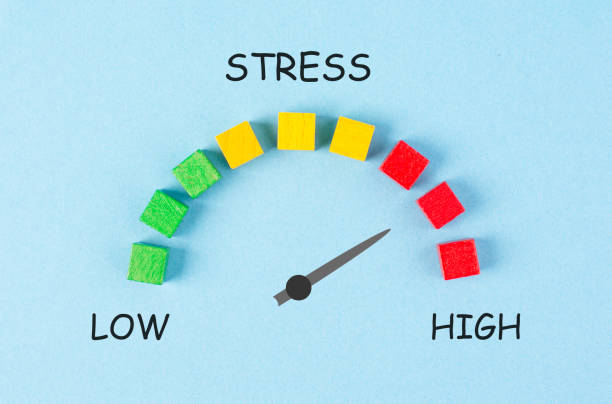
Stress management is important for maintaining balance in busy schedules. High stress levels can affect health, relationships, and work performance, making it necessary to develop healthy coping strategies and relaxation habits daily.
Mindfulness practices help individuals stay calm and focused during stressful situations. Meditation, breathing exercises, and positive thinking improve emotional control while reducing anxiety caused by work pressure and personal responsibilities.
Avoiding perfectionism can also reduce unnecessary stress significantly. People should focus on completing tasks effectively rather than expecting perfection in every situation, which often creates emotional exhaustion and frustration over time.
Seeking support when stress becomes overwhelming is another valuable step. Talking with trusted friends, family members, or professionals can provide guidance, emotional comfort, and practical solutions for maintaining healthier balance successfully.
Conclusion
Maintaining a healthy work life balance requires effort, discipline, and self awareness. Small daily habits such as proper planning, healthy boundaries, regular exercise, and relaxation can create meaningful improvements in overall wellbeing and happiness.
Busy schedules may create challenges, but balance becomes possible when individuals prioritize health, relationships, and personal growth alongside professional responsibilities. Consistent efforts help reduce stress while improving productivity and emotional stability.
People who maintain balance often experience better mental health, stronger relationships, and greater career satisfaction. Healthy routines provide energy and motivation that support success in both personal and professional areas of life.
By following practical strategies and making self care a priority, individuals can enjoy healthier, happier, and more fulfilling lives despite demanding work schedules and modern daily responsibilities.

About Premium Author
This post has been authored and published by one of our premium contributors, who are experts in their fields. They bring high-quality, well-researched content that adds significant value to our platform.
Popular Categories
Stay Connected
Recent Posts








.png)